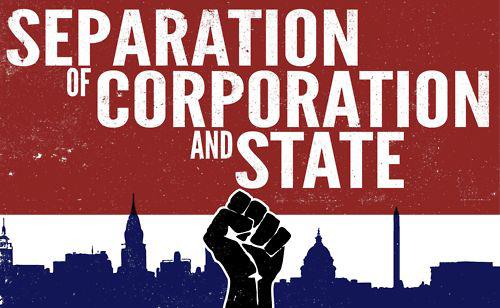






Artificial intelligence will be a massive net good for society if the government stays out of it. Put the government in the middle, partnered with the largest AI companies, and the same technology becomes a tool for controlling what people are allowed to ask and for freezing the market in favor of the firms already on top.
That is the claim. Here is the proof.
 When no one is in charge of a tool, people try things. The attempts that work get copied. The attempts that fail get dropped. Nobody has to approve the next version. That is how Linux overtook operating systems that came from ministries and monopoly vendors. It is how ordinary markets improve a product: users leave what does not work, and a rival is free to ship something better. Economists have described this for two centuries. A later popular label, borrowed from physics, calls it emergent order — structure that appears because each person acts on what he sees, not because a central office drew the plan. Open-source AI belongs to that class. Not because the model is honest. A model repeats and recombines what it was trained on, plus whatever the person in front of it asks. It belongs to that class because a bad version can be abandoned and a better version can be released without a permit.
Regulated AI belongs to the other class. Corporatism is government power plus corporate money. The largest labs want rules they can afford and that a smaller shop cannot. Politicians want a lever over the answers the public receives. Each side has what the other wants. The deal is safety language in public, and a moat in practice.


You must be logged in to post a comment.